
How Can a Financial Planner Help Me Manage Debt?
Jul 10, 2026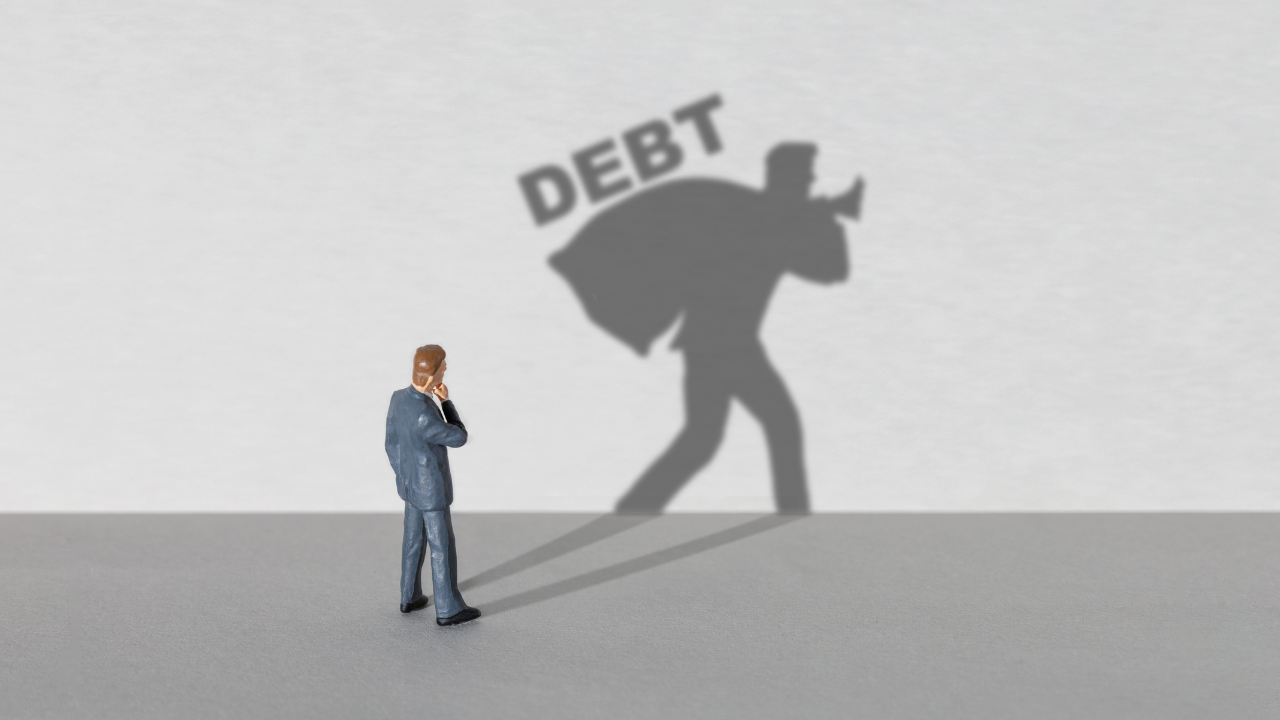
If you're struggling with debt, you're probably looking for practical advice.
Should you pay off the highest interest rate first? Consolidate your loans? Refinance your mortgage? Cut your spending?
Those are all important questions. But in my experience as a fee only, advice only financial planner in Canada, they usually aren't the first problem.
After more than 20 years in this work, I've found that people rarely come to me because they don't know how to make a payment. They come to me because they're overwhelmed. They feel guilty about their debt, they're stressed about keeping up with payments, and they aren't sure if they're making the right financial decisions.
The good news is this. There is almost always a path forward.
Debt Is More Than a Math Problem
As a Certified Financial Planner with an MBA in Financial Psychology, I've learned that debt is emotional before it's mathematical.
Many people believe having debt means they've failed or made terrible financial decisions. They often carry a tremendous amount of shame, even when the debt wasn't entirely within their control.
In reality, debt often happens because life happens. A job loss. A divorce. An illness. A major home repair. Helping a family member. Rising living costs, which have hit a lot of Canadian households hard over the past few years.
These situations can force even responsible people to rely on credit. That's one of the reasons I encourage clients to build an emergency fund. It provides a buffer when life throws the unexpected your way.
Sometimes It's a Knowledge Problem, Not an Intelligence Problem
One of the biggest misconceptions about debt is that people who have it simply aren't good with money. I don't believe that's true.
Some of the smartest people I work with, engineers, teachers, healthcare professionals, business owners, have accumulated debt because no one ever taught them how debt actually works. They don't fully understand how interest compounds, how minimum payments affect repayment timelines, or which debts to prioritize first. That's not an intelligence problem, it's a knowledge problem. Once people understand how their debt works, they can make decisions with a lot more confidence.
Why Advice Only Matters Here
Debt is also one of the places where it matters most who you're getting advice from.
A lot of the guidance out there, whether it's a debt consolidation offer, a line of credit pitch, or a "solution" from someone earning a commission, is shaped by what that person or company gets paid to sell. As an advice only, fee only financial planner, I don't sell products and I don't earn commissions. My only job is to help you understand your options and build a plan that actually fits your life. That's it.
Creating a Clear Repayment Strategy
One of the first things I do with clients is remove the uncertainty. Instead of wondering which debt to pay first or whether they're making progress, we map out a repayment strategy that fits their situation.
Together we answer questions like:
- Which debt should be paid off first?
- How much should go toward each debt?
- Should we prioritize investing or debt repayment?
- Is debt consolidation actually beneficial in this situation?
- What will the repayment timeline realistically look like?
Having a clear plan changes everything. Rather than feeling like you're endlessly throwing money at debt with no end in sight, you can actually see the finish line. That clarity alone often reduces a tremendous amount of stress.
Paying Off Debt Is Only Half the Battle
One of the biggest challenges isn't paying off debt. It's staying out of debt.
I've seen many people work incredibly hard to eliminate their balances, only to find themselves back in debt a few years later. That's why I don't simply help clients pay off debt. I help them create Spending Guardrails.
Notice I didn't say budget. Traditional budgets often feel restrictive and are hard to maintain over the long term. Spending Guardrails work differently. They create clear boundaries around spending while still leaving room to enjoy life. The goal isn't perfection. The goal is building habits that make staying out of debt sustainable.
Understanding Why the Debt Happened
Because of my background in financial psychology, we also spend time understanding how the debt built up in the first place. Not to assign blame, but to prevent history from repeating itself.
Maybe you didn't have an emergency fund when unexpected expenses came up. Maybe lifestyle inflation quietly crept into your spending. Maybe you simply never learned how credit worked. Or maybe money has always been tied to stress, which made it easier to avoid looking at your finances altogether.
When we understand the root cause, we can build strategies that address more than just the balance on your credit card.
You Don't Have to Figure It Out Alone
One of the hardest parts of carrying debt is feeling like you should be able to solve it yourself. I've worked with people who delayed asking for help because they were embarrassed. Please don't let shame stop you. Asking for help isn't admitting failure. It's taking the first step toward regaining control.
Final Thoughts
Managing debt isn't about punishment or deprivation. It's about creating a realistic plan, understanding your options, building healthier financial habits, and reducing the stress that debt can bring.
Whether you're carrying credit card debt, a line of credit, or simply feeling overwhelmed by multiple payments, know this: your debt does not define you, and you don't have to walk this alone.
If you'd like some support thinking it through, I'd be glad to have a conversation, no pressure, just a chance to talk about where you are and what might help.
Mindful Money Moments
Ready to transform your relationship with money? Start here - join our newsletter!